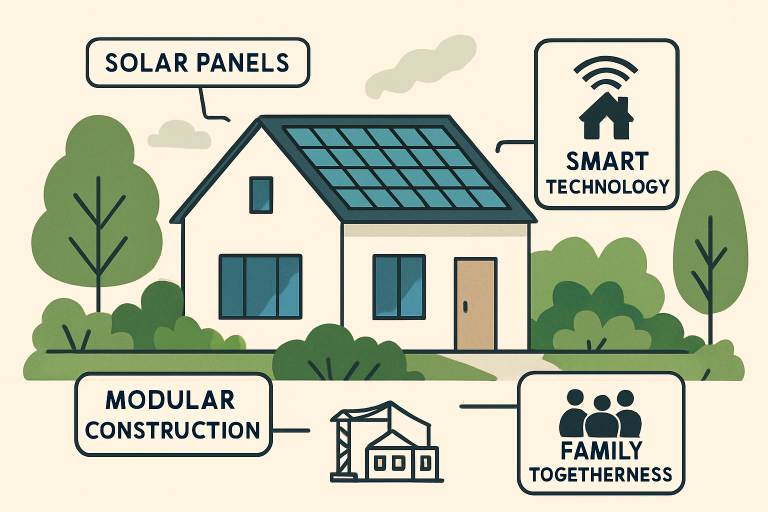
The landscape of home construction is rapidly changing, fueled by a blend of environmental responsibility, technological advancement, and shifting family dynamics. Modern homeowners and builders are increasingly seeking innovative solutions that address sustainability, efficiency, and lifestyle flexibility. Several notable trends are emerging and transforming both design and construction processes, setting the tone for the next generation of housing. If you’re considering building your next home or are simply curious about the future of residential construction, click here to explore how experienced professionals can help you navigate these trends—ensuring your new home will stand the test of time.
Staying informed on the latest developments ensures your investment aligns with both your lifestyle goals and future real estate standards. In a rapidly evolving market, developers, prospective homeowners, architects, and industry professionals all benefit from an awareness of innovative construction methods, advanced building materials, and new design philosophies. This collective knowledge equips you to make choices that keep your home current and competitive amid changing expectations for comfort, longevity, and eco-responsibility.
Sustainable Building Materials Are the New Standard
The push for sustainability is more than a passing trend—it’s rapidly becoming the norm in home building, driven by a global call for greener living. Builders today are proactively seeking out alternatives such as low-carbon concrete, recycled steel, reclaimed wood, and sustainably sourced bamboo. These materials are valued not only for their reduced carbon footprint but also for their exceptional durability and their capacity to improve long-term energy efficiency. By reducing embodied energy in construction projects and selecting materials with lower emissions, homes now offer lower utility costs and a reduced overall environmental impact. Increased awareness surrounding climate change and resource conservation is propelling both large and small builders toward greener practices at every step of the build, from framing to finishing.
Modular and Prefabricated Construction Are Gaining Popularity
Off-site construction methods, such as modular and prefabricated buildings, are gaining traction for their efficiency, predictability, and reduced environmental footprint. Rather than constructing every component on-site, parts of the home—like walls, floors, and even entire rooms—are manufactured in a controlled factory environment where consistent precision can be maintained. These elements are then shipped and assembled at the final location, often in a matter of days rather than months. This approach reduces overall build time, minimizes job site waste, and ensures greater adherence to quality control standards by leveraging advanced manufacturing techniques. Homebuyers benefit from faster move-in dates, less disruption to their neighborhoods, and, in many cases, lower costs thanks to streamlined operations and bulk material purchasing. Prefabrication is also proving valuable in regions facing skilled labor shortages or strict environmental regulations, offering a solution that balances efficiency, customization, and sustainability.
Smart Home Technology Integration
Integrating technology directly into home construction is quickly becoming a standard expectation for modern buyers. Today’s homeowners desire thoughtfully designed spaces equipped with intelligent systems for smart lighting, automated temperature control, integrated security, and entertainment solutions—all of which can be managed from a smartphone, tablet, or voice-activated assistant. In addition to offering everyday convenience, these technologies optimize energy use by enabling residents to monitor and adjust their consumption in real time, thereby reducing utility bills and environmental impact. Installation during construction also makes it easier to hardwire essential systems for greater reliability and flexibility. The popularity of home automation and advanced IoT (Internet of Things) solutions is expected to grow further as more households seek to streamline daily routines and enhance safety, accessibility, and resale value.
Resilient Design to Withstand Extreme Weather
As extreme weather events become more frequent and severe, resilience is emerging as a central pillar of modern home design and construction. Builders are focusing on robust, forward-thinking solutions such as impact-resistant windows to withstand debris, reinforced roofing materials to prevent wind damage and elevated foundations to mitigate flooding risks, especially in coastal or wildfire-prone areas. These protective measures not only contribute to the home’s physical integrity and long-term value but may also lower homeowner insurance costs and offer residents peace of mind. According to the United Nations Environment Programme, several strategies can make buildings more climate-resilient, including using durable materials, improving drainage systems, and incorporating energy-efficient designs. Additionally, features such as backup generators, fire-resistant landscaping, and advanced drainage systems further ensure that new homes are better prepared for the realities of climate change. Investing in resilient design adds another layer of security for families and can help communities recover more swiftly after disasters.
Multi-Generational Living Spaces
Shifts in family dynamics and demographic trends are making multi-generational living spaces more relevant than ever before. Modern homes are thoughtfully designed with flexible floor plans that include private entrances, self-contained suites, dual kitchens, and adaptable common areas to provide autonomy and connection among household members. These solutions enable adult children, aging parents, or extended family to live comfortably under the same roof while preserving privacy. In-law suites, secondary master bedrooms, and shared recreational spaces also make it easier to accommodate changing needs over time. As cultural values and economic conditions evolve, multi-generational homes are poised to provide enduring lifestyle benefits, enhanced property value, and a sense of community within the household.
Emphasis on Wellness-Centric Design
Wellness has become a cornerstone of modern residential architecture as home buyers look to create sanctuaries that promote health, relaxation, and happiness. Designers and builders are responding with creative solutions that maximize natural sunlight through larger windows, sliding glass doors, and strategically placed skylights—fostering a strong connection between indoor and outdoor environments. Air quality improvements are another key focus area, with advanced ventilation systems, non-toxic paints, and hypoallergenic materials employed to minimize pollutants and allergens. The inclusion of dedicated wellness spaces—such as home gyms, yoga studios, or spa-inspired bathrooms—offers spaces to unwind, recharge, and improve physical well-being.
Smaller, More Affordable Homes
The surge in home prices across many markets has prompted a demand for smaller, more affordable homes that do not compromise on comfort or efficiency. Architects and builders are responding with inventive floor plans that maximize functionality in modest square footage, utilizing multipurpose rooms, built-in cabinetry, and hidden storage solutions to declutter and organize. These smart layouts ensure that every square foot serves a purpose, making smaller homes attractive to a wide range of buyers, from first-time homeowners to retirees looking to downsize. Thoughtful design, combined with an increased focus on energy efficiency, means even smaller homes provide all the comforts of a larger residence, while keeping costs lower and maintenance simpler. This trend is also making homeownership more accessible at a time when affordability is a pressing social issue.
Conclusion
The home building industry is at a pivotal moment, with sustainability, technology, resilience, and wellness fueling a new wave of innovation that is reshaping how we live. For homebuyers, understanding these trends not only helps them make smarter, future-focused decisions but also empowers professionals to build homes that are adaptable, efficient, and in tune with evolving needs and standards.


