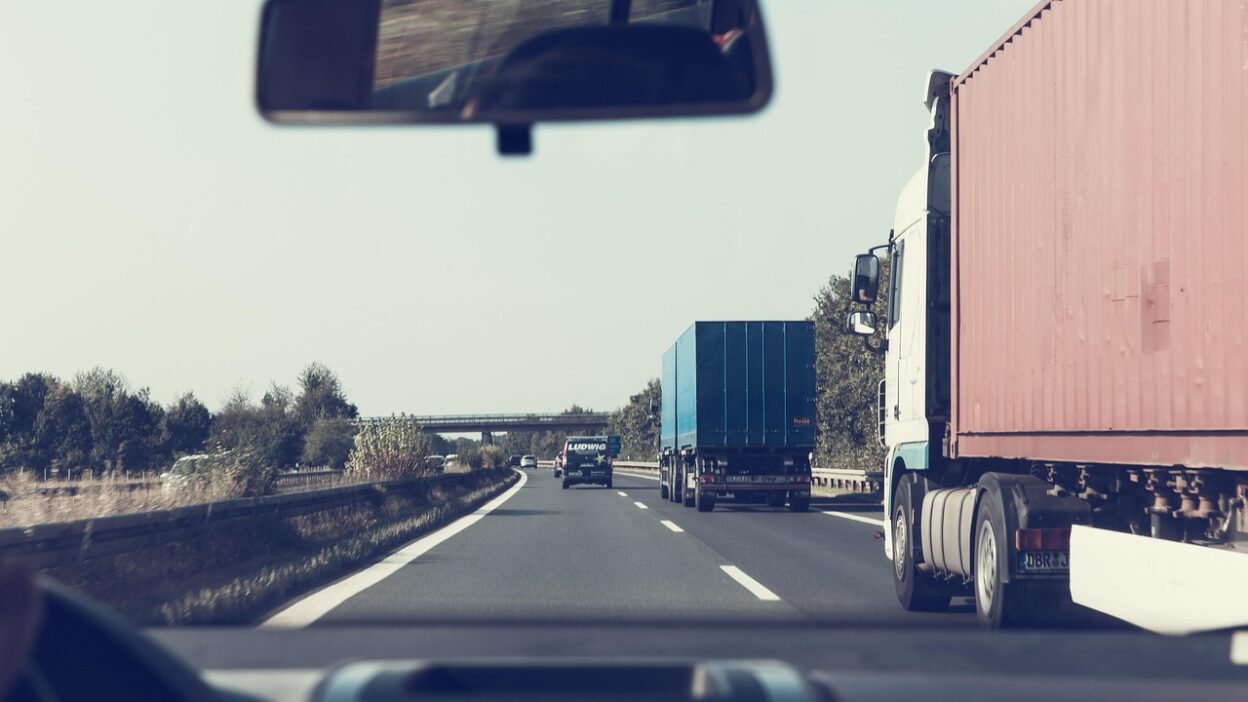
Moving across town is one thing — moving hundreds or thousands of miles away is a whole different ballgame. And when you’re planning a long-distance or interstate move, one of the unsung heroes of your packing strategy is the heavy-duty shipping box.
You might be thinking, “It’s just a box — how complicated can it be?” But trust me, choosing the right boxes can make a huge difference in how smoothly your move goes and how safely your belongings arrive at your new home. In this guide, I’m going to walk you through everything you need to know about heavy-duty shipping boxes, why they matter, and how to use them like a pro.
Why Heavy-Duty Shipping Boxes Matter for Long Moves
Let’s start with the basics:
What makes heavy-duty shipping boxes different from regular moving boxes?
Simple. They’re stronger, more durable, and built to handle rough handling — exactly the kind of abuse your stuff might go through on a long trip.
When you’re moving within the same city, your boxes might only be picked up and put down a few times. But in a long-distance move? Your boxes could be:
✔ Loaded onto a truck early in the morning
✔ Shifted around during loading and unloading
✔ Transported over bumpy roads
✔ Exposed to temperature changes
✔ Stored in a warehouse before final delivery
That’s a lot of stress for cardboard — especially if it’s thin or flimsy.
Heavy-duty boxes are built to withstand that stress. They help protect your possessions, reduce the risk of damage, and give you peace of mind.
What Makes a Shipping Box “Heavy-Duty”?
Not all boxes are created equal. Here’s what to look for:
1. Strong Material
Heavy-duty moving boxes are usually made from extra-thick, high-quality corrugated cardboard. This means multiple layers (called plies) of cardboard that make the box sturdier and more resistant to crushing.
2. Higher Burst Strength
This refers to how much pressure the box can take before it bursts open. Heavy-duty boxes have higher burst strength, so they won’t give way under weight.
3. Reinforced Edges
Boxes with reinforced seams and edges stand up better to stacking — a big bonus when you’re loading a truck.
4. Larger Weight Capacity
These boxes are designed to hold heavier items without sagging or tearing.
Where Heavy-Duty Boxes Shine in a Long-Distance Move
A long move isn’t just about wrapping your stuff and putting it in a truck. It’s about protecting your valuables over time and distance. Here’s where heavy-duty boxes really make an impact:
1. Books and Media
Books are deceptively heavy. A standard box filled with books can become a burden. Heavy-duty boxes are strong enough to safely hold heavy loads without collapsing — and without making you dread lifting them.
2. Breakables and Fragile Items
Dishes, glassware, artwork, and collectibles need extra protection. Heavy-duty boxes combined with good padding (bubble wrap, packing paper) will give you a safety net during long road trips.
3. Electronics
Long-distance moves often come with temperature swings. Heavy-duty boxes are generally thicker and offer a little extra insulation — ideal when you’re packing TVs, monitors, or gaming consoles.
4. Kitchen Equipment
Pots, pans, appliances — your kitchen has both heavy and fragile items. Reinforced boxes mean you can pack them without worrying about busting through the bottom.
5. Clothing and Textiles
Even though clothes aren’t fragile, they can get musty or wrinkled in poorly ventilated boxes. Heavy-duty boxes help protect them from humidity changes during transit.
Choosing the Right Heavy-Duty Box Sizes
Now that you know why they’re important, let’s talk sizes. Every move is different, but here are some common box types that make a long distance move easier:
Small Boxes (1.5 – 2.0 cubic feet)
Perfect for:
- Books
- DVDs
- Small kitchen tools
- Office supplies
Small, heavy, and strong — ideal for heavy items you don’t want to lift in big boxes.
Medium Boxes (3.0 – 4.5 cubic feet)
Perfect for:
- Dishes and glassware
- Toys
- Clothing
- Small appliances
A go-to size for everyday items.
Large Boxes (4.5 – 6.0 cubic feet)
Great for:
- Linens
- Pillows
- Larger kitchen gadgets
But be careful not to overpack — heavy boxes are great, but if they’re full of dense stuff, they can become difficult to lift.
Extra-Large Boxes (6.0+ cubic feet)
Use these for:
- Bedding
- Light, bulky items
Avoid putting heavy items in these — they’re better for volume than weight.
Tips for Packing Heavy-Duty Boxes Efficiently
Box strength matters, but so does how you pack them. Here’s how to do it smartly:
1. Don’t Overpack
Just because a box is heavy-duty doesn’t mean it should be filled to the brim with weighty items. Balance weight and size for safety.
2. Distribute Weight Evenly
Fill the bottom with heavier items and the top with lighter stuff. This prevents the box from tipping or crushing.
3. Use Plenty of Cushioning
Bubble wrap, packing paper, and even towels or blankets help protect fragile items in transit.
4. Seal Well
Don’t rely on flimsy tape. Use high-quality packing tape and apply it along all seams — top and bottom.
5. Label Clearly
Write the contents and room destination on each box. This makes unpacking easier and lets movers know how to handle each box.
Common Mistakes to Avoid
Even experienced movers can slip up. Here are a few pitfalls to watch out for:
Using the Wrong Box Sizes
Oversized boxes filled with heavy items? That’s a recipe for back pain or broken boxes.
Packing Too Much Weight
Heavy-duty boxes aren’t magic. If they’re filled too heavy, they can still collapse under pressure.
Skipping Reinforcement
If you’re packing something especially valuable or heavy, add extra padding and tape — better safe than sorry.
Not Thinking Long-Term
Long moves can mean longer time in transit. Consider box quality, but also how well they protect against humidity, temperature swings, and stacking.
Where to Get Heavy-Duty Shipping Boxes
You have a few options, depending on budget and convenience:
1. Moving Supply Stores
Local moving stores usually have a variety of high-quality boxes.
2. Moving Companies
Many professional movers sell or provide heavy-duty boxes — and they know what works best.
3. Home Improvement Stores
Big stores often carry a range of box sizes, including heavy-duty options.
4. Online Retailers
If you like ordering from home, you can get boxes delivered directly to your door.
Pro tip: Buy a few extra boxes — it’s always better to have too many than run out mid-pack!
Eco-Friendly Options for Heavy-Duty Boxes
If sustainability matters to you (and it should!), there are greener options:
Recycled cardboard boxes – sturdy and better for the environment
Reusable plastic moving crates – durable and perfect if you want to avoid cardboard altogether
Rentable packing bins – come with pickup and drop-off options
These options help reduce waste — which is especially important during big moves when lots of packing material is used.
Heavy-Duty Boxes + Professional Packing Services
If your budget allows, consider hiring packing help from professional movers.
Pros include:
✔ Faster packing
✔ Fewer materials wasted
✔ Expert protection
✔ Less stress overall
Professional packers know how to pair the right box with the right items — and that can save you time, headaches, and broken belongings.
Final Thoughts: Making Your Move as Smooth as Possible
Here’s what I want you to take away:
- Heavy-duty shipping boxes are essential for long-distance and interstate moves.
- They protect your stuff from rough handling and long trips.
- Choosing the right size and packing correctly makes all the difference.
- A little time and thought now can save a lot of stress later.
At the end of the day, moving is more than just relocating belongings — it’s about moving your life forward. And when you use heavy-duty shipping boxes the right way, you’re giving yourself one less thing to worry about.
Happy packing — and here’s to a smooth, stress-free move!