Driving through Greenwich Village can feel tense. The streets are narrow. The turns are sharp. The traffic never really stops. You face tight lanes, sudden stops, and people stepping out between parked cars. One wrong move can cause damage, injury, or a long fight with insurance. You may think of a Queens car accident lawyer only after a crash. Yet you can avoid that pain if you prepare before you drive. This guide shows you how to plan your route, read the street signs, and handle common trouble spots. You learn how to share the road with cyclists, delivery trucks, and ride share cars. You also see what to do if a crash or close call happens. You deserve to feel steady and in control behind the wheel. This guide helps you move through Greenwich Village with less fear and more focus.
Know the Village Before You Go
Greenwich Village grew before cars. Streets bend and meet at odd angles. Some blocks are one way. Others end in a sudden turn. Your map app can help. It can also send you into a maze.
Before you start driving, you should:
- Look at a map of the Village and trace your route
- Note which streets are one way and which allow turns
- Pick two backup routes in case of closures or double parked trucks
The New York City Department of Transportation offers maps and rules for local streets at NYC DOT Motorists. You can use these tools along with your map app. This reduces last second lane changes and missed turns.
Understand Local Rules and Signs
In the Village, a small sign can change your whole trip. You see:
- No turn on red
- Local traffic only
- Bike lane only
- No standing or no parking during set hours
Three steps help you keep control.
- Slow before each new block so you can read every sign
- Check curb signs before you pull over or stop for a pickup
- Watch for school zones and crosswalk signs near parks and playgrounds
You can review New York State traffic rules at the New York DMV traffic laws guide. Knowing the rules first makes each sign easier to process in the moment.
Share the Road with People on Foot and on Bikes
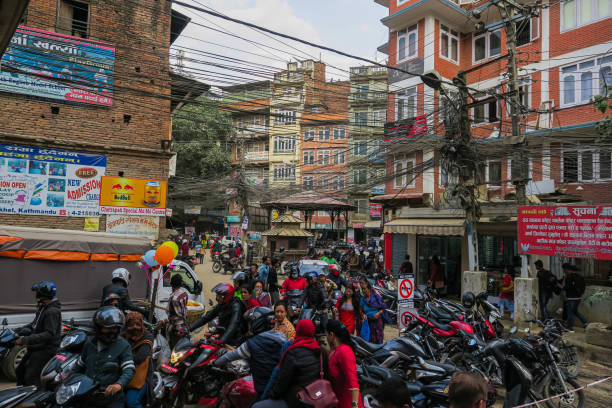
Greenwich Village is full of walkers. Many cross mid block. Children step out from behind parked cars. Seniors move at a slow pace. Cyclists ride in marked lanes and between lanes of stopped cars.
Use three habits on every block.
- Look left, right, and across the hood before you move from a stop
- Check side mirrors and blind spots before you open a door or turn
- Yield to people in crosswalks even when they start late in the signal
New York City follows a Vision Zero approach that treats every crash as preventable. That same mindset can guide you as a driver. You treat each person in the street as someone you know. You give them time and space.
Common Hazards and How to Handle Them
Three common hazards show up often in the Village. Each one calls for clear steps.
| Hazard | What You See | What You Should Do |
|---|---|---|
| Double parked delivery truck | Lane blocked on a narrow one way street | Slow to a crawl. Signal early. Wait for a clear gap. Pass with full lane space. Never squeeze next to the truck and a bike at the same time. |
| Sudden door opening | Parked car door swings out near your lane | Keep at least three feet from parked cars when you can. Cover your brake. If a door opens, brake straight and sound the horn. Do not swerve into oncoming traffic. |
| Unmarked crosswalk behavior | People crossing at corners without paint on the street | Treat every corner as a crosswalk. Slow early. Make eye contact. Let people cross. Only move when the space is clear. |
Parking and Drop Offs Without Chaos
Parking in the Village can test your patience. Curb spots change rules by the hour. Some blocks allow short stops. Others ban standing at all times.
Keep to three rules.
- Read every sign on the pole before you park or wait
- Use legal garages when you plan to stay longer
- For quick drop offs, pull into legal loading zones or side streets, never into bike lanes or crosswalks
Family trips need extra time. Children may need help with seat belts or strollers. You can plan one block ahead. Pick a safe legal spot. Then walk the last short distance together.
Driving at Night and in Bad Weather
At night or in rain, the Village feels even tighter. Headlights reflect on wet cobblestones. Street paint is harder to see.
You can protect your family and others when you:
- Cut your speed by at least one third in rain or snow
- Use low beams in fog or heavy rain
- Leave extra room behind taxis and ride share cars that may stop without warning
These streets reward calm and punish rush. A few extra minutes can prevent a life changing crash.
What To Do After a Close Call or Crash
Even with care, a near miss or crash can happen. Your body may feel shaky. Your thoughts may race. You still need to act with order.
Use three steps after a crash.
- Check for injuries and call 911 if anyone is hurt
- Move to a safe spot if you can. Turn on hazard lights. Set out warning signals if you have them.
- Exchange information. Take photos of damage, street signs, and the full scene.
After a close call, you can pull over when safe. Take a breath. Drink water. Think about what happened. Then adjust your driving plan. You might choose a wider street or a slower route home.
Three Ways to Stay Steady in Tight Streets
Greenwich Village does not need to feel like a trap. You can stay steady when you:
- Plan your route and backup options before you drive
- Slow down and give people and bikes clear space
- Accept delays and focus on getting home safe, not fast
Each trip through the Village can teach you something. You learn where you feel most tense. You learn which blocks feel calm. Over time, your fear can soften. Your control can grow. Your family and every person around your car gain from that choice.