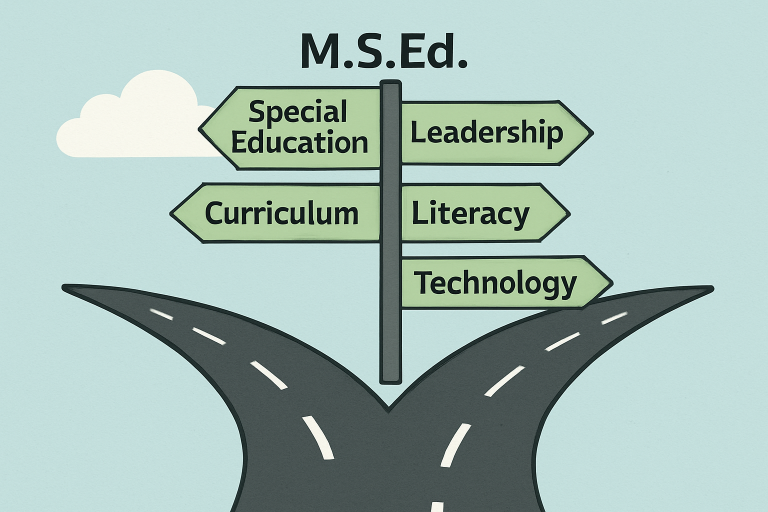
Pursuing a Master of Science in Education (M.S.Ed.) opens doors for educators seeking to deepen their expertise, acquire leadership skills, or transition their careers to more specialized roles within the education sector. These graduate programs often offer multiple concentrations, allowing teachers, administrators, and educational professionals to tailor their academic journey to their unique goals. If you’re considering a master of science in education online, understanding the differences between each specialization is essential for making an informed decision that will support your long-term aspirations.
As education evolves, schools and communities rely more on educators with specialized knowledge. Whether you aim to promote inclusivity, drive innovation, or lead change, choosing the right M.S.Ed. Concentration can make a difference. These specializations shape your curriculum, job prospects, and professional growth. As demand for skilled educators in niche roles rises, selecting a concentration aligned with your strengths offers immediate and long-term benefits. It’s also important to research program offerings and emerging trends to choose a specialization that meets community needs and enhances your employability.
Special Education
Special Education is a rapidly growing Master of Science in Education (M.S.Ed.) program. Focus, training educators to serve students with various disabilities, including learning, emotional, speech, and mobility challenges. Courses cover evidence-based strategies, IEPs, and relevant laws, such as IDEA. With rising autism and ADHD diagnoses, demand for inclusive classroom professionals grows. Special ed teachers promote academic and life skills, shaping equitable education for all.
Educational Leadership
A concentration in Educational Leadership prepares educators for roles beyond the classroom, such as principals and superintendents, focusing on management, policy, school law, and community engagement. Graduates can mentor teachers, shape culture, and oversee resources while ensuring standards. As schools emphasize student achievement, strong leaders are vital. Programs at https://online.ysu.edu/ offer accessible career advancement paths to foster systemic change and improve education.
Curriculum and Instruction
Curriculum and Instruction is ideal for those passionate about instructional design, classroom innovation, and program evaluation. Educators learn to research, assess, and improve educational content, often influencing districts through their involvement in curriculum planning. Coursework covers teaching methods, educational technology, differentiated instruction, and assessment strategies. Graduates become curriculum specialists, instructional coordinators, and teacher leaders, ready to enhance learning broadly. This specialization appeals to those wanting to shape what and how children learn.
Literacy Education
Literacy Education provides educators with tools to support students’ reading and writing across all grades. It addresses challenges such as language barriers, dyslexia, and literacy gaps, particularly among diverse, multilingual students. Key parts include strategies for phonics, comprehension, literature, and advanced literacy for secondary students. Literacy specialists help improve individual achievement, support school-wide literacy initiatives, and facilitate professional development.
Educational Technology
Educational Technology, a growing field within graduate education, empowers professionals to use digital tools for 21st-century learning. This specialization focuses on integrating emerging technologies, online platforms, and multimedia to enhance classroom experiences. Educators learn to evaluate e-learning solutions, foster digital literacy, and understand trends such as gamification and assistive technology. In a digital world, educational technologists help prepare students with future skills and support teachers in adopting and transforming classrooms.
Choosing the Right Concentration
Choosing the right M.S.Ed. concentration involves reflecting on your talents, interests, and goals, as well as the needs of educational communities. Talk with advisors, review alumni outcomes, and examine job trends to see how each specialization aligns with your career. Research programs like Youngstown State University for course offerings, practicum, and faculty expertise. Pick a concentration that interests you and meets your educational needs to maximize growth. An M.S.Ed. is more than a credential—it’s a path to impacting schools and communities. With careful focus, graduates can become leaders, advocates, and innovators in education.
Conclusion
Pursuing a Master of Science in Education opens doors to diverse careers beyond the classroom. Whether in serving students with disabilities, leading schools, shaping curriculum, advancing literacy, or integrating technology, each concentration offers the skills to make an impact. These pathways support professional growth and help educators meet evolving needs. By choosing a concentration aligned with your strengths and goals, you can become a leader and innovator. Programs like those at Youngstown State University offer accessible, quality options. An M.S.Ed. enables educators to drive change and contribute to a brighter future in education.


