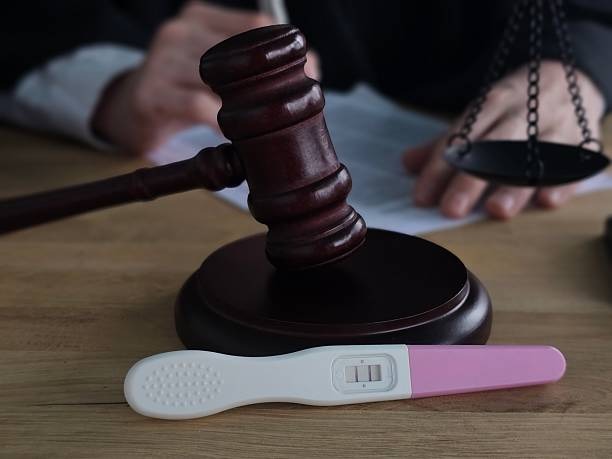
Most people assume court cases are won or lost based on dramatic courtroom moments or a lawyer’s ability to argue persuasively. In reality, cases are far more often decided by the quality of the evidence long before anyone steps into a courtroom. The strongest legal arguments mean very little if they aren’t backed by reliable, well-documented proof.
For lawyers, evidence isn’t just about facts. It’s about credibility, timing, and presentation. The right evidence tells a clear story, fills in gaps, and makes it easier for judges, juries, and opposing counsel to understand what really happened. When handled correctly, evidence can turn a complicated dispute into a compelling and persuasive case.
Court Reporters Play a Critical Role in Strong Cases
One of the most overlooked elements of solid evidence is the official record. Depositions, sworn statements, and court proceedings form the backbone of many cases, and the accuracy of those records can directly influence outcomes. Lawyers in different regions, for example, rely on the precision of Denver, New York, or Houston court reporters who work with local legal teams to keep an accurate record of all proceedings.
Court reporters ensure that every word spoken during depositions, hearings, and trials is captured precisely. This isn’t just about transcription. It’s about preserving testimony in a way that holds up under scrutiny months or even years later.
Accurate transcripts allow attorneys to identify inconsistencies, lock in witness statements, and prepare effective cross-examinations. When testimony is recorded clearly and reliably, there’s far less room for confusion or dispute about what was actually said. In complex cases especially, a clean and trustworthy record can be the difference between a strong argument and one that falls apart under pressure.
What Personal Injury Cases Teach us About Effective Evidence
Car accident cases provide a clear example of how evidence shapes legal outcomes. Details like documentation, timelines, and corroborating proof all work together to establish liability and damages.
While the legal specifics vary by state, the underlying principles apply across many types of cases. Police reports, medical records, photos, witness statements, and expert opinions all serve a purpose, but their real power comes from how they support one another. A single piece of evidence rarely wins a case on its own. Instead, it’s the combination that creates a convincing narrative.
For lawyers, these cases highlight the importance of gathering evidence early and preserving it properly. Delays can lead to lost records, fading memories, or missing details that weaken a claim before it even reaches negotiation or trial.
The Difference Between Relevant Evidence and Persuasive Evidence
Not all evidence carries the same weight. Something can be technically relevant and still fail to persuade. Judges and juries respond best to evidence that is clear, logical, and easy to connect to the claims being made.
Persuasive evidence supports the legal theory of the case without forcing the audience to do mental gymnastics. It answers obvious questions, anticipates counterarguments, and reduces uncertainty. For example, a stack of unorganized documents may technically support a claim, but a well-organized timeline with clear references makes the story far easier to follow.
Lawyers who consistently win cases understand this distinction. They don’t just collect evidence. They curate it, contextualize it, and present it in a way that aligns with how people naturally process information.
How Timing and Preservation Shape Case Outcomes
Evidence is most powerful when it’s collected and preserved correctly from the start. Waiting too long to secure records, interview witnesses, or document conditions can permanently weaken a case. Surveillance footage may be overwritten, physical evidence may be altered, and witnesses may forget key details.
Preservation also matters in how evidence is handled. Chain of custody, proper storage, and accurate documentation all protect evidence from being challenged or excluded. Even strong evidence can become useless if the opposing side successfully questions its integrity.
This is one reason experienced legal teams involve court reporters, investigators, and experts early in the process. Building a solid evidentiary foundation early gives attorneys more leverage during negotiations and a stronger position if the case proceeds to trial.
How Expert Support Strengthens Evidence
Expert testimony often serves as the bridge between raw facts and legal conclusions. Medical experts, accident reconstruction specialists, financial analysts, and other professionals help interpret evidence in ways that judges and juries can understand.
Their role isn’t to replace evidence, but to explain it. When experts rely on well-documented records and accurate transcripts, their opinions carry more credibility. This reinforces why foundational elements like court reporting and proper documentation matter so much.
Strong expert support can turn technical details into clear explanations that support liability, damages, or intent. Without that clarity, even solid evidence can feel abstract or disconnected.
Winning a case isn’t always about persuading a jury. Many cases are resolved through settlements, mediation, or arbitration. In those situations, strong evidence builds credibility with opposing counsel and insurance adjusters long before trial is on the table.