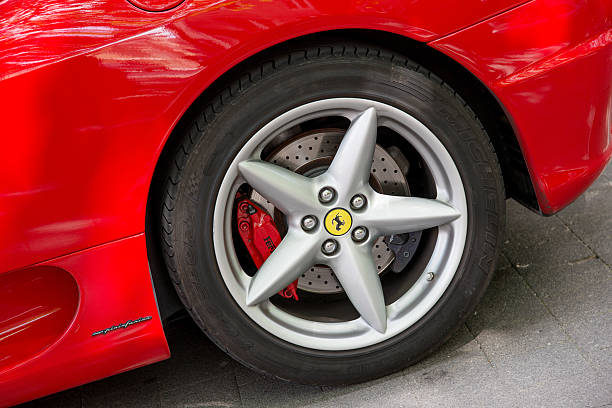
If you’re looking to cut costs without sacrificing safety or performance, used Michelin tires can be an excellent option. Michelin tires are known for durability, strong traction, and a comfortable ride—benefits that often remain even after some miles on the road. The key is knowing how to evaluate them properly so you avoid hidden issues and get real value for your money.
This guide walks you through exactly what to check before buying used Michelin tires, helping you make a confident and informed decision.
Why Buy Used Michelin Tires?
Michelin is one of the most respected tire brands worldwide, trusted for:
- Long-lasting tread life
- Advanced safety and grip technology
- Reliable performance in different weather conditions
- Smooth, quiet driving experience
When purchased used, these premium features often come at 50–70% lower cost than new tires. As long as you inspect them carefully, used Michelin tires can be a smart, budget-friendly upgrade.
1. Confirm the Correct Tire Size and Fit
Always start by checking compatibility with your vehicle. The tire size must match:
- Manufacturer-recommended specifications
- Tire width, aspect ratio, and diameter
- Load index and speed rating
You’ll find this information on your current tire’s sidewall, such as 225/45R17 91V. Choosing the correct size is essential for proper handling, braking, and fuel efficiency.
2. Measure the Remaining Tread Depth
Tread depth tells you how much usable life the tire has left.
- New tires typically start with 10/32″–12/32″ of tread
- A good used tire should have at least 6/32″
- Avoid anything at 3/32″ or below, which is unsafe and often illegal
Use a tread depth gauge or the penny test. If the tread doesn’t cover part of the coin, the tire is too worn.
3. Check for Even Tread Wear
Even wear is a strong sign that the tire was well maintained. Uneven wear may point to:
- Alignment problems
- Suspension issues
- Poor inflation habits
- Aggressive or improper driving
Inspect the surface for bald spots, feathering, cupping, or excessive wear on one edge. Tires with uniform wear are safer and more predictable on the road.
4. Inspect for Damage and Repairs
Carefully examine the tire for both visible and hidden issues.
External damage to avoid:
- Cuts or deep cracks
- Bulges or bubbles
- Exposed steel cords
- Any sidewall damage
Sidewall issues are a deal-breaker—never buy tires with them.
Internal repairs:
Ask the seller if you can see the inside of the tire. One professionally done patch or plug may be acceptable, but multiple repairs reduce safety and lifespan.
5. Check the DOT Manufacturing Date
Every tire has a DOT code on the sidewall. The last four digits show the week and year it was made.
Example: DOT 3019 = 30th week of 2019
Even high-quality tires age over time. For best results:
- Choose tires under 6 years old
- Avoid anything over 10 years old, regardless of tread depth
Rubber hardens with age, reducing grip and performance.
6. Match the Tire Type to Your Driving Style
Michelin makes tires for different needs. Make sure the used tires fit how and where you drive:
- All-season tires – Ideal for daily commuting and mild climates
- Performance tires – Designed for sporty driving and higher speeds
- SUV / off-road tires – Built for heavier vehicles and rough terrain
- Winter tires – Best for cold regions with snow and ice
Buying the wrong type can compromise safety and comfort.
7. Buy Only From Reliable Sellers
A trustworthy seller makes all the difference. Look for:
- Certified used tire shops
- Established tire retailers
- Automotive recyclers with inspections
- Online sellers with clear photos, reviews, and return policies
Good sellers typically provide tread measurements, disclose repairs, clean and inspect tires, and offer limited guarantees.
8. Compare Prices Before Deciding
Prices vary based on:
- Remaining tread life
- Tire model and category
- Age and condition
Compare multiple sellers. If a price seems unusually low, inspect the tire extra carefully—it may be hiding problems.
9. Buy Matching Sets Whenever Possible
For best handling and stability, try to purchase:
- A full set of four identical tires, or
- At least matching pairs for the same axle
Matching tires promote even wear, better traction, and a smoother ride.
10. Ask About Warranty or Return Options
Some sellers offer:
- Short-term warranties
- 15–30 day return policies
- Air-leak testing
- Free or discounted balancing
Even a small guarantee adds peace of mind when buying used tires.
Final Thoughts
Buying used Michelin tires doesn’t have to be risky. By checking the size, tread depth, wear pattern, age, and overall condition—and by choosing a reputable seller—you can secure premium-quality tires at a fraction of the cost.
When selected carefully, used Michelin tires deliver excellent value, reliable performance, and safe, comfortable driving without stretching your budget.


