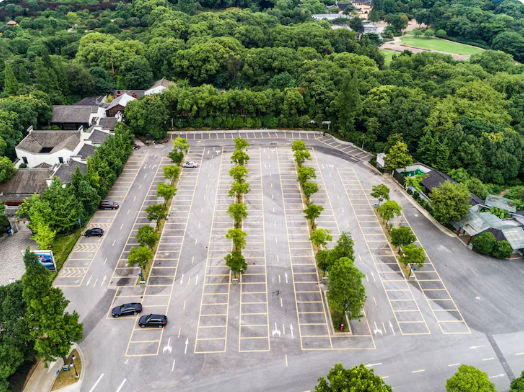
When it comes to building a resilient parking lot that stands the test of time, the choice of materials is one of the most important decisions you will make. The performance and lifespan of your parking area depend heavily on selecting materials that match both the practical needs of the property and the environmental conditions of the location. Both commercial and residential property owners benefit from materials focusing on durability, safety, and cost-effectiveness. For example, collaborating with professionals who specialize in parking lot paving in La Porte, IN ensures your investment meets industry standards while being tailored to your specific site requirements. From managing daily traffic loads to withstanding extreme weather, your material selection directly influences future maintenance requirements and operational costs. Careful planning also considers installation quality and environmental impact, creating a parking lot that is not just long-lasting but also sustainable and visually appealing.
Asphalt vs. Concrete: Weighing the Options
When evaluating materials for a parking lot, asphalt and concrete are the standard contenders. Each comes with unique features ideal for different needs:
- Asphalt: Favorable for projects where quick installation and reduced upfront costs are a priority, asphalt is renowned for its flexibility. This material absorbs impacts and handles seasonal temperature swings, reducing the risk of cracking. Its maintenance is straightforward since surface damage can typically be repaired or resurfaced without replacing the entire structure.
- Concrete: If long-term durability and minimized future maintenance are your primary concerns, concrete is an excellent choice. Known for its compressive strength, concrete can support heavier vehicles and lasts for decades with minimal intervention, though it does involve higher initial installation costs and a longer curing process.
Deciding between asphalt and concrete depends on various factors such as projected traffic levels, climate variations, and budget limitations.
The Importance of Proper Installation
No matter how high the quality of the chosen materials, the performance and lifespan of your parking lot depend only on the installation process. Proper installation is a multi-step endeavor:
- Site Preparation: Grading and compacting the subgrade lay the groundwork for stability. Any deviation in these initial steps can lead to surface depression, water pooling, or premature cracking.
- Material Application: Correct material thickness and even compaction are vital. For asphalt, this means rolling to the appropriate density. For concrete, adequate reinforcement and controlled curing prevent weakening.
- Drainage Planning: Effective drainage prevents standing water, which is a common cause of surface failure. Incorporating proper slopes and integrated drains maintains structural integrity over time.
Hiring skilled, reputable contractors helps property owners avoid costly mistakes and maximizes the return on investment for the parking lot project.
Maintenance Practices to Extend Lifespan
Proactive maintenance is essential for any parking lot, regardless of the material used. Small, routine interventions keep surfaces safe, attractive, and functional for many years:
- Sealcoating: Applied every two to three years for asphalt, this protective layer shields against sunlight and water, reducing oxidation and surface breakdown.
- Crack Filling: Sealing cracks at the earliest stage keeps water from weakening the subsurface, thereby preventing larger, costlier repairs down the line.
- Cleaning: Regularly sweeping away debris and promptly clearing oil and chemical spills maintains surface grip and aesthetics while also limiting material degradation.
A consistent maintenance plan not only extends the usable life of a parking lot but can also boost property value and reduce accident risk. Scheduling routine inspections and following recommended repair guidelines keeps costs manageable and surfaces efficient.
Innovative Materials and Technologies
Emerging trends in construction are driving innovative solutions for parking lot durability and sustainability. Notable advances include:
- Permeable Pavement: Designed to allow water to flow through the surface, these systems help reduce runoff, minimize flooding, and recharge groundwater. They are increasingly popular in environmentally sensitive areas.
- Recycled Materials: Incorporating reclaimed asphalt pavement or crushed concrete not only decreases environmental impact but can also lower material costs.
- Geotextiles: Layered below traditional pavement, geotextiles improve soil stability and load distribution, leading to longer-lasting surfaces with reduced maintenance needs.
Innovative materials and smart engineering help owners construct more resilient lots and demonstrate commitment to both performance and environmental responsibility.
Environmental Considerations in Material Selection
Increasing awareness of environmental issues plays a significant role in modern parking lot design. Sustainable choices involve sourcing local aggregates to lower transportation emissions, selecting recycled content, and opting for materials with minimal environmental footprints. Additionally, reflective surfaces in lighter colors can reduce urban heat island effects, contributing to energy savings and a cooler environment around the property.
Cost Analysis: Balancing Budget and Durability
Cost-effective parking lot construction looks beyond initial price tags toward a life-cycle perspective. Concrete typically requires more investment at the outset but offers lower routine maintenance and fewer repairs over decades of use. Asphalt delivers fast, cost-conscious installation, but may necessitate more frequent resurfacing, especially under heavy use. Property owners benefit from a detailed life-cycle cost analysis, which helps them balance immediate budget needs with long-term savings and reliability.
Conclusion
Creating a durable, low-maintenance parking lot involves much more than simply picking a material. It demands an integrated approach that considers installation processes, innovations in materials and technology, responsible maintenance, and environmental issues. By weighing each of these factors thoughtfully, property owners can ensure their parking lot investments provide years of safe, resilient service while also aligning with broader sustainability and value goals.